
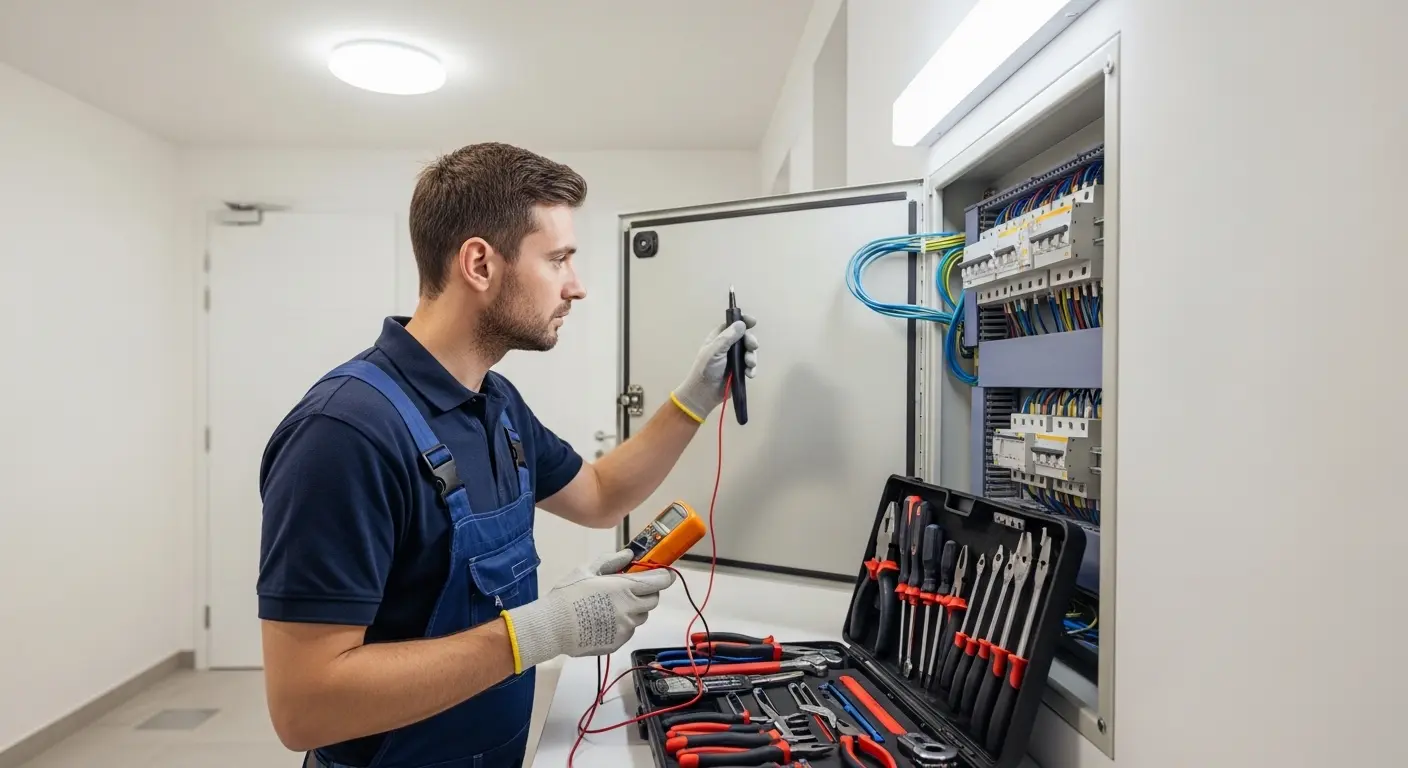
Electrical systems are essential for modern living, but improper maintenance and usage can lead to serious safety risks. Understanding common electrical problems can help you prevent accidents, reduce repair costs, and ensure uninterrupted power supply in your home.
One of the most frequent issues is overloaded circuits. Plugging too many devices into a single outlet causes overheating and increases the risk of fire. To avoid this, distribute appliances across multiple outlets and use power strips with surge protection.
Another common problem is frequent tripping of circuit breakers. This usually indicates excessive load or faulty wiring. Never ignore repeated tripping—it’s a warning sign that requires professional inspection.
Loose outlets and switches are also dangerous. They can spark, overheat, and damage appliances. If you notice wobbling sockets, unusual noises, or warm surfaces, have them repaired immediately.
Flickering lights may seem harmless, but they often point to wiring issues, loose connections, or voltage fluctuations. Persistent flickering should be checked by a certified electrician.
Damaged or worn-out wiring is another major concern, especially in older homes. Exposed wires can cause short circuits or electrocution. Regular inspections help identify aging components before they become hazardous.
Using low-quality electrical accessories can also lead to failures. Always choose certified cables, plugs, and appliances to ensure safety and durability.
To avoid these issues, schedule annual electrical inspections, avoid DIY repairs unless qualified, and never ignore warning signs like burning smells or buzzing sounds.
By practicing responsible usage and timely maintenance, you can protect your home, appliances, and loved ones from electrical hazards.